© 2026 Druhý Diel (reCRAFT)
Circular design & production
The projects shown were developed or supervised by Peter Búš and illustrate the scope of activities.
Giving building parts another life
Projects · DfMAD · XR Training · Fabrication & Assembly · Contact
Druhý
Diel
reCRAFT
SURVEYS & PASSPORTS
Source, dimensions, material and visible condition of each part.
CONSULTANCY
Strategies for reusing materials and building components.
OUR SERVICES
PASSPORTED COMPONENTS
Refurbished components and reversible kits of parts.
CIRCULAR DESIGN
Products, public spaces and buildings shaped by available resources.
FABRICATION & ASSEMBLY
Repair, adaptation, CNC fabrication and assembly for reuse.
EXTENDED REALITY (XR) TRAINING
Assembly rehearsal and practical digital guidance using XR.
RESEARCH & DEVELOPMENT
Research and development in architecture and construction technologies.
CONCEPT
DRUHÝ DIEL - reCRAFT
DESIGN FOR NEXT LIFE
Existing buildings are stores of materials and components. Druhý Diel (reCRAFT) is developing an independent Slovak design-to-production workshop for small contractors, NGOs, municipalities and self-builders. It connects reuse surveys, consultancy, passported component sales, architectural and product design, digital fabrication, assembly and extended reality (XR) training. The aim is less waste, conserved resources and lower embodied carbon.
Design for Manufacture, Assembly and Disassembly (DfMAD) is the core method, supported by AI, a digital twin and XR. Each passport carries a part’s source, geometry, condition and history into design, adaptation and assembly steps. AI proposes; people decide. Repairability and disassembly are considered from the early design stages. The first planned prototype is a timber assembly for public space.
REUSE TEST PROTOTYPES
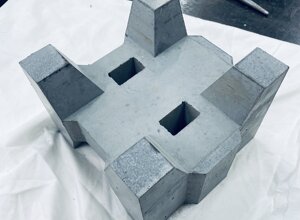
Downcycled aggregate cast into concrete components for robotic assembly. Previous collaborative research at CoIA Lab / Tsinghua SIGS with Juntao Li, Yusong Hu and Zhiyong Dong; shown as an illustrative reference.
CONCRETE COMPONENTS
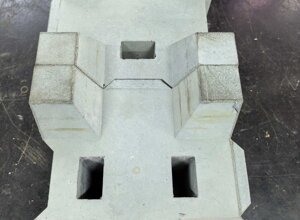
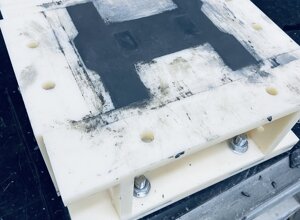
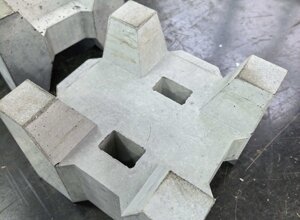
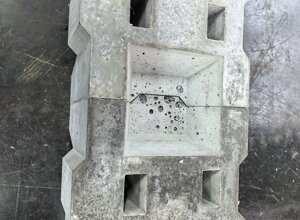
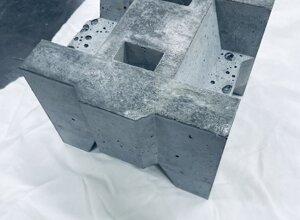
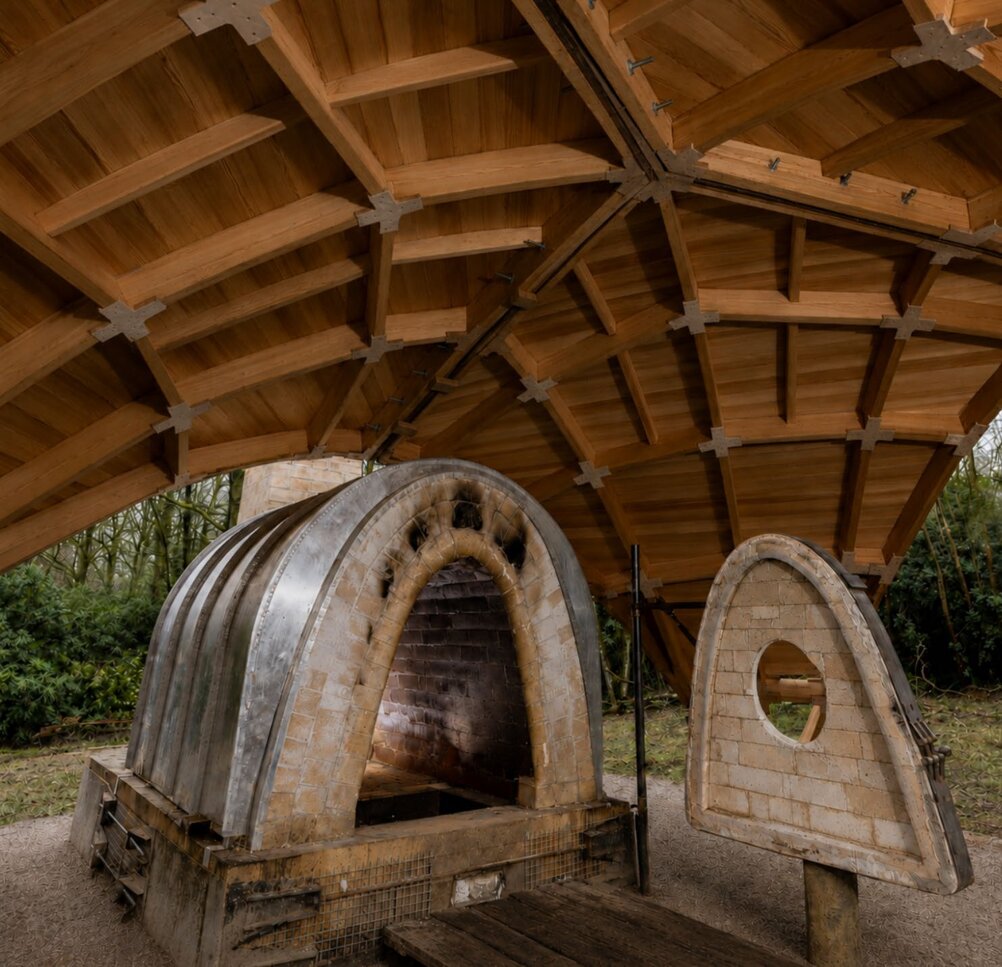
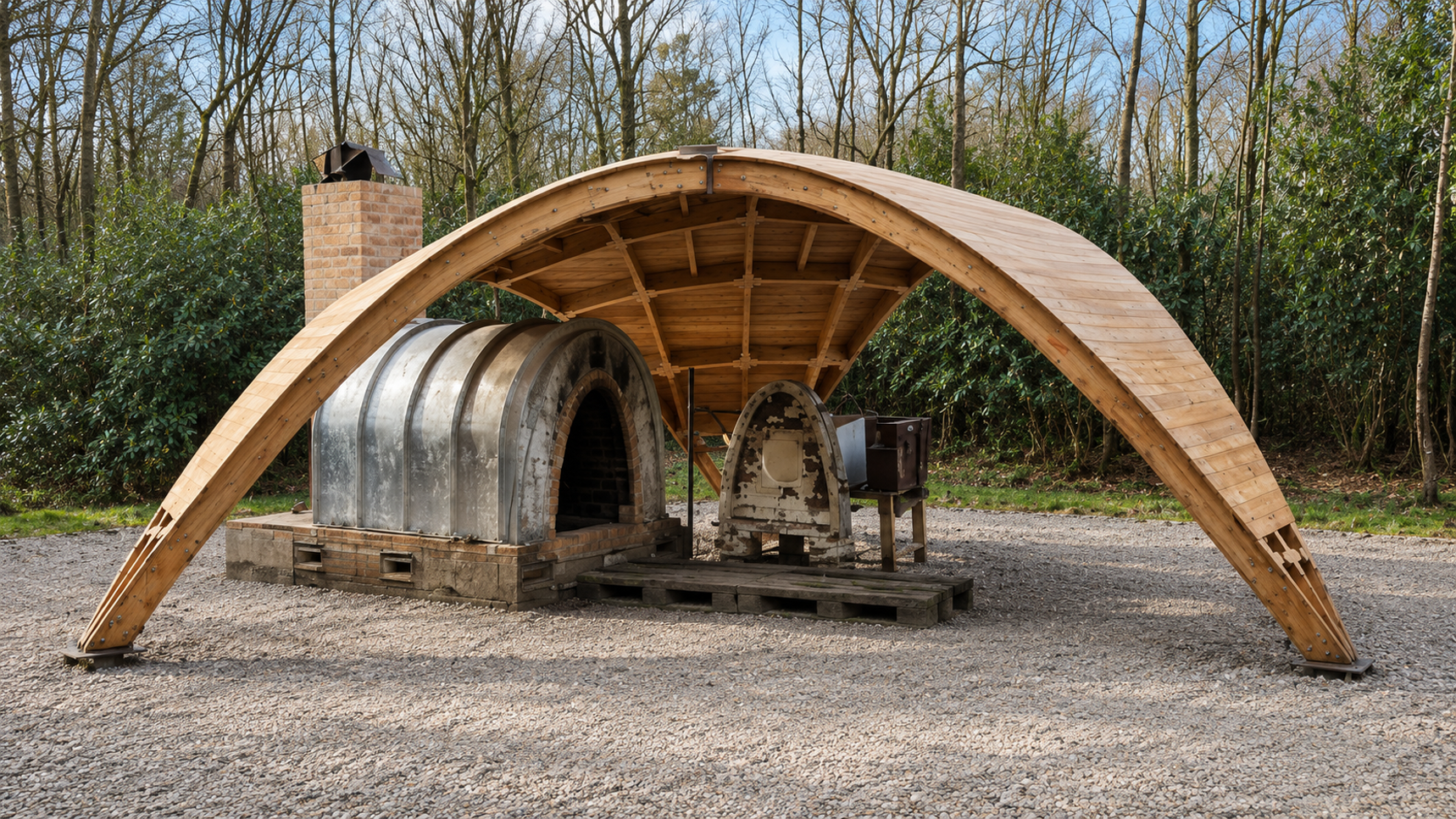
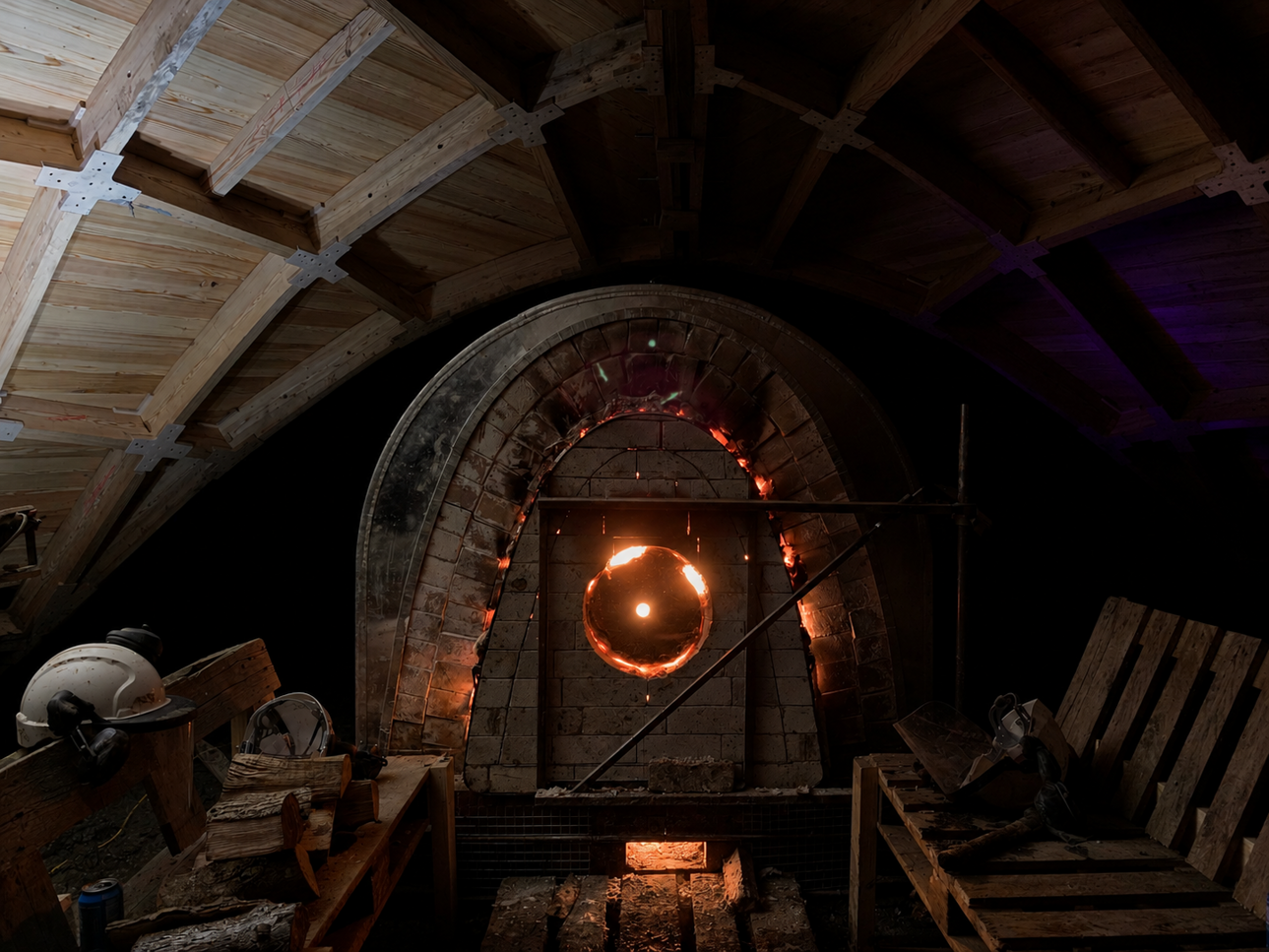
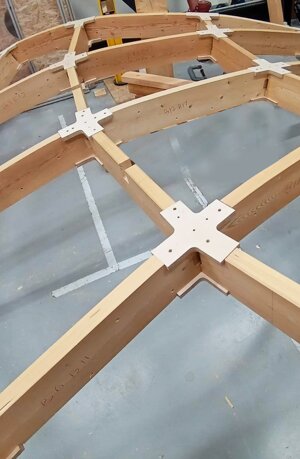
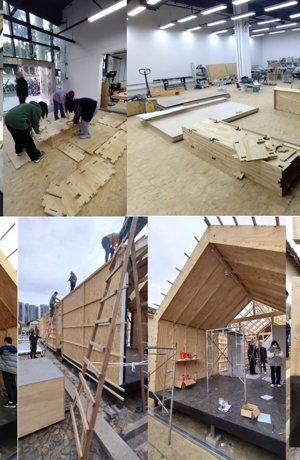
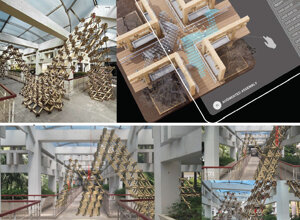
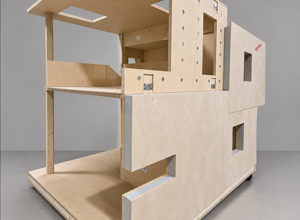
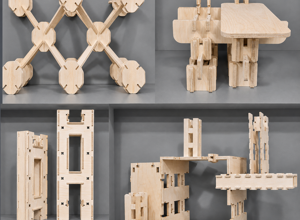
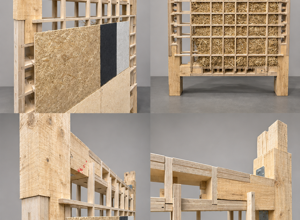
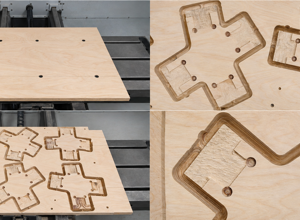
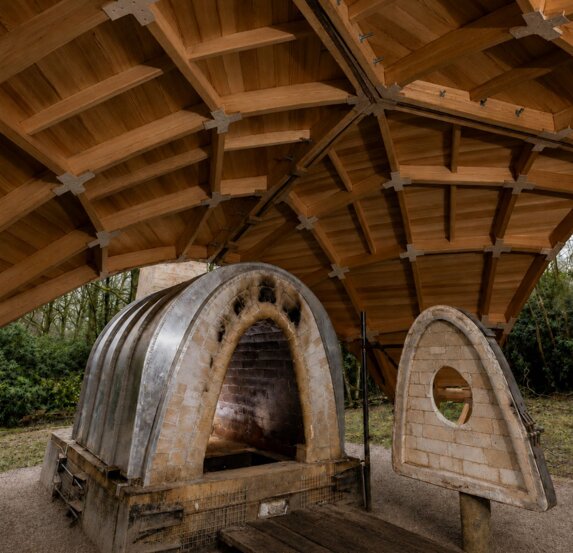
Programmed-In / Kiln Canopy (UCL Bartlett), Flimwell Park, UK, and WikiHouse module tests at Zao Lab and Zao House, Tsinghua SIGS: component, joint and tolerance testing, and digital fabrication. Illustrative collaborative work.
Reference: WikiHouse components at Zao House:
“A Parametric Tolerance Model for Numerically Controlled Digital Fabrication.” Peter Búš, Peter Russell, Terrence Curry, Chaoyun Wu, (2023) in Dokonal, W, Hirschberg, U and Wurzer, G (eds.), Digital Design Reconsidered - Proceedings of the 41st Conference on Education and Research in Computer Aided Architectural Design in Europe (eCAADe 2023) - Volume 1, Graz, 20-22 September 2023, pp. 551–558
Reference: Kiln Canopy:
"Kit-of-Parts Fabrication and Construction Strategy of Timber Roof Structure Digital design-to-production workflow for self-builders." Búš, P., N. Sridhar, Y. Zhao, C. W. Yang, C. Chen, and D. Canga. Co-Creating the Future: Inclusion in and Through Design, ECAADE 2022 1 (2022): 449-458.
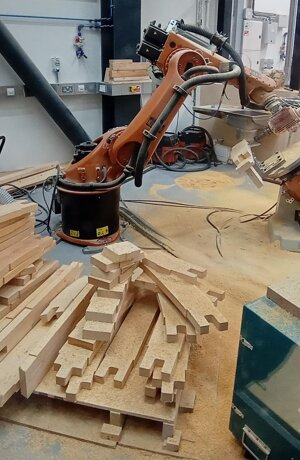
TIMBER & DfMAD
EXTENDED REALITY (XR)
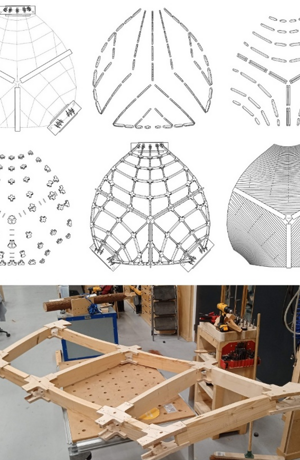
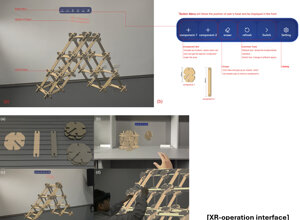
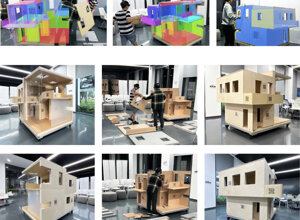
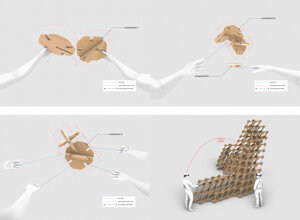
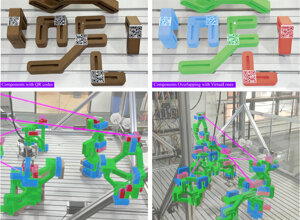
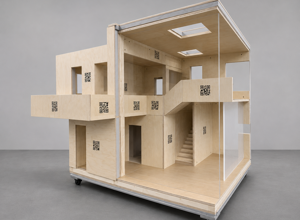
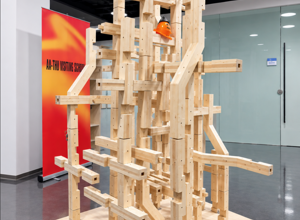
XR interfaces, modular pavilion design and a 1:5 model. Previous experimental prototypes at CoIA Lab / Tsinghua SIGS by Teresa Han and co-authors. Peter Búš: design co-development and supervision. Illustrative references.
References: Han, T., Wang, Q., Dong, Z., Búš, P., et al. Immersive AR-assisted assemblies for self-building strategies using prefabricated timber components. ARIN 4, 12 (2025). https://doi.org/10.1007/s44223-025-00091-6
Zhiyong Dong; Zhiqian Liu; and Peter Búš (2025) in: Crolla, K., Xue, F., Tan, T., Tam, K.-M. M., Guo, H., Goepel, G. & Zhang, H. (Eds.). (2025). CAAD Futures 2025 – Catalytic Interfaces: Conference Proceedings, Volume II. Hong Kong: Department of Architecture, The University of Hong Kong. ISBN 978-988-78349-3-9. DOI: https://doi.org/10.25442/hku.29365379
DIGITAL FABRICATION & PROTOTYPING
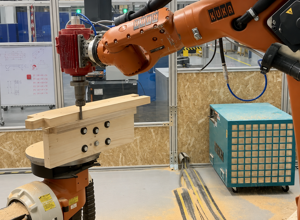
From digital design to precisely fabricated components and reversible assemblies. We connect parametric modelling, CNC machining and physical prototyping. DfMAD considers manufacture, assembly and future disassembly from the early design stages.
We adapt the geometry of recovered materials and components to their actual dimensions, condition and processing possibilities. Prototypes test joints, tolerances and assembly sequences before construction. Component passports and a digital twin connect these findings to fabrication data and assembly steps.
The result is components, kits of parts and subassemblies designed for efficient fabrication, straightforward repair and further reuse, from objects and street furniture to architectural structures.
CONTACT
Mgr. art. Peter Búš MArch, Ph.D. · authorised architect, Slovak Chamber of Architects, AA SKA 1872
Druhý Diel (reCRAFT) · Slovakia
www.archa3d.com · architectural services
www.coia.tech · research in digital technologies for architecture
An independent initiative in development.